


Why Do My Outlets Feel Warm? Causes & Fixes

Table of Contents
Why Do My Outlets Feel Warm? Start Here
Is a Warm Outlet Normal or a Fire Hazard?
5 Common Causes of Warm Outlets
Backstabbed Wiring vs. Terminal Screws
How to Tell If an Outlet Is Overloaded
Signs of Faulty Electrical Wiring to Watch For
What If Your Circuit Breaker Keeps Tripping?
Step-by-Step Troubleshooting for a Warm Outlet
When to Call a Licensed Electrician
Frequently Asked Questions
Last Updated: September 9, 2026
Why Do My Outlets Feel Warm? Start Here
When you brush against a wall plate and feel heat radiating from the receptacle, your first instinct is usually right: something is wrong. A warm outlet is a warning sign that electrical current is encountering resistance somewhere in the circuit, and resistance generates heat. At Star Bright Electric, we've spent decades troubleshooting these exact issues for homeowners, and the underlying cause is almost always one of a handful of fixable problems.
Understanding why your outlets feel warm matters because heat is the precursor to electrical fires. The National Fire Protection Association tracks home electrical fires through its National Fire Protection Association research division, and the organization consistently identifies wiring and receptacle issues as leading contributors. The good news is that most warm outlet causes are straightforward to diagnose, and many are simple for a licensed electrician to correct. The key is knowing when to act and when to call for help.
Below, we'll walk through the common culprits, how to tell a benign situation from a dangerous one, and the exact steps to take when you discover heat at an outlet. We'll also cover the warning signs that demand immediate professional attention.
Is a Warm Outlet Normal or a Fire Hazard?
A slightly warm outlet is never truly "normal," but the level of concern depends on the temperature and the circumstances. An outlet that feels warm to the touch after powering a high-draw device for hours is less alarming than one that is hot with nothing plugged in at all.
Here's a practical temperature guide:
Room temperature to barely warm: Often caused by a high-wattage device like a space heater or hair dryer running for an extended period. Still worth monitoring.
Warm but comfortable to hold: This indicates measurable heat buildup. You should investigate the cause and reduce the load.
Hot to the touch or painful: This is a serious fire hazard. Turn off the circuit immediately and call a licensed electrician.
The danger with a warm outlet is that heat degrades insulation over time. The wiring inside your walls has a rated temperature tolerance, and prolonged exposure to excess heat can cause the insulation to break down, leading to arcing, sparking, and eventually an electrical fire (cpsc.gov). The U.S. Consumer Product Safety Commission electrical safety guidance recommends treating persistent outlet warmth as a defect that warrants inspection, not a quirk to live with.
Watch Out Never ignore an outlet that is hot with nothing plugged into it. This points to a wiring problem inside the wall, not a device issue, and it will only get worse with time.
5 Common Causes of Warm Outlets
Most warm outlet problems trace back to five root causes. Understanding them helps you communicate clearly with an electrician and know what to expect during a service visit.

1. Loose wire connections. The most frequent culprit. When a wire is not secured tightly under a terminal screw, the connection point has higher electrical resistance. Current flowing through resistance produces heat, and the heat concentrates right at the loose connection.
2. Overloaded circuits. Plugging too many high-wattage devices into one circuit forces it to carry more current than it was designed for. The circuit breaker should trip, but an aging breaker or a marginal connection may allow heat to build first.
3. Backstabbed wiring. Many outlets install faster using the "backstab" holes on the rear of the device, where you push the wire in and it locks. These connections are notoriously less reliable than terminal screws and loosen over time.
4. Faulty or damaged outlet housing. Cracked receptacles or outlets with internal damage can create poor contact between the plug and the outlet's metal contacts, generating heat at the point of use.
5. Wiring degradation. Older homes with aging insulation or aluminum wiring are more prone to heat buildup. Deteriorated insulation reduces the wiring's ability to dissipate heat safely.
Backstabbed Wiring vs. Terminal Screws
The difference between these two installation methods matters more than most homeowners realize. Terminal screws, located on the sides of the outlet, clamp the wire securely against a metal plate. Backstabbed connections rely on a spring clip inside the outlet that grips the wire when pushed in.
Backstabbed connections are faster to install, which is why many production builders used them, but they have a higher failure rate. The spring clip can weaken over years of thermal expansion and contraction, creating a loose connection that generates heat. A common repair for a warm outlet is simply replacing it and terminating the wires properly under the terminal screws.
Pro Tip If you have outlets installed in the last few decades and notice intermittent warmth, ask your electrician to check whether the wires are backstabbed. Re-terminating them under the terminal screws is a quick fix that eliminates a common heat source.
How to Tell If an Outlet Is Overloaded
An overloaded circuit is one of the most common causes of warm outlets, and it's also one of the easiest to identify. The signs of faulty electrical wiring often start with an outlet that runs warm whenever specific appliances are in use.
Ask yourself these questions:
Does the outlet warm up only when a specific high-wattage device is plugged in?
Is that device rated for 1,500 watts or more, such as a space heater, air conditioner, or microwave?
Are multiple high-draw appliances sharing the same circuit?
Does the warmth fade shortly after unplugging the device?
If you answered yes to most of these, you likely have an overloaded circuit. A standard 15-amp circuit can handle roughly 1,800 watts total, and a 20-amp circuit handles about 2,400 watts. When you run a 1,500-watt space heater on the same circuit as a television, lights, and a computer, you're pushing the circuit close to its limit.
The solution is load management: spread high-wattage devices across different circuits, and avoid using extension cords or power strips for heaters and other large appliances. If the problem persists after redistributing the load, the issue may be deeper, and you should have the circuit evaluated.
Signs of Faulty Electrical Wiring to Watch For
A warm outlet rarely exists in isolation. Pay attention to these accompanying signs of faulty electrical wiring, which indicate a broader problem:
Frequent tripped breakers. If the breaker for that circuit trips regularly, the circuit is either overloaded or has a short circuit developing.
Buzzing or crackling sounds. Audible noise from an outlet suggests arcing, which is a serious fire hazard.
A burning or fishy smell. This indicates insulation is melting. Shut off the circuit immediately.
Discoloration or scorch marks. Brown or black marks on the faceplate or around the plug prongs are evidence of past heat damage.
Loose plugs. If plugs fall out or feel loose when inserted, the internal contacts are worn and creating resistance.
Flickering lights. Lights that dim or flicker when you plug something in point to a wiring issue upstream.
Watch Out Arcing is one of the most dangerous conditions in residential wiring. It generates intense localized heat that can ignite nearby wood framing or insulation. If you hear buzzing or see sparking at an outlet, turn off the circuit at the breaker panel and call an electrician before using that outlet again.
What If Your Circuit Breaker Keeps Tripping?
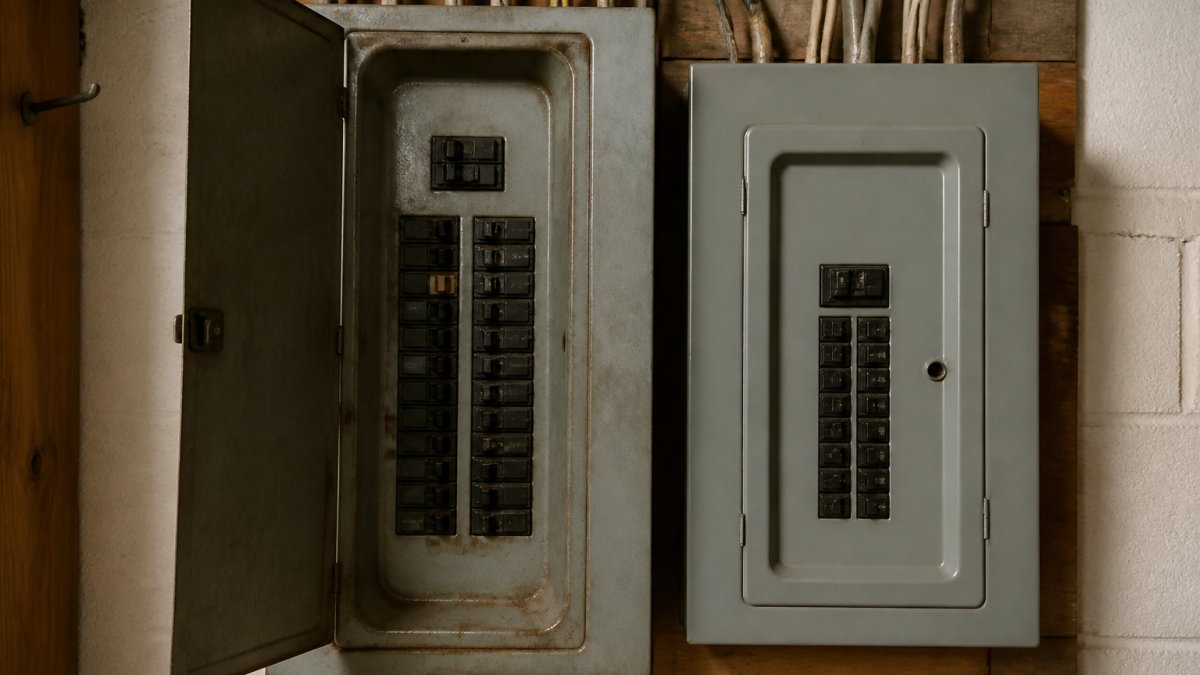
A circuit breaker that keeps tripping is your electrical system trying to protect you. The breaker is designed to cut power when current flow exceeds the circuit's rated amperage, preventing the wiring from overheating. When it trips repeatedly, the circuit breaker keeps tripping for a reason, and ignoring it is dangerous.
Common reasons a breaker trips alongside a warm outlet:
Problem | What's Happening | Typical Fix |
Overloaded circuit | Too many devices drawing power at once | Redistribute loads across circuits |
Short circuit | Hot wire touches neutral or ground | Locate and repair the fault |
Ground fault | Current leaking to ground | Replace outlet with GFCI or repair wiring |
Failing breaker | Breaker trips below its rated load | Replace the breaker |
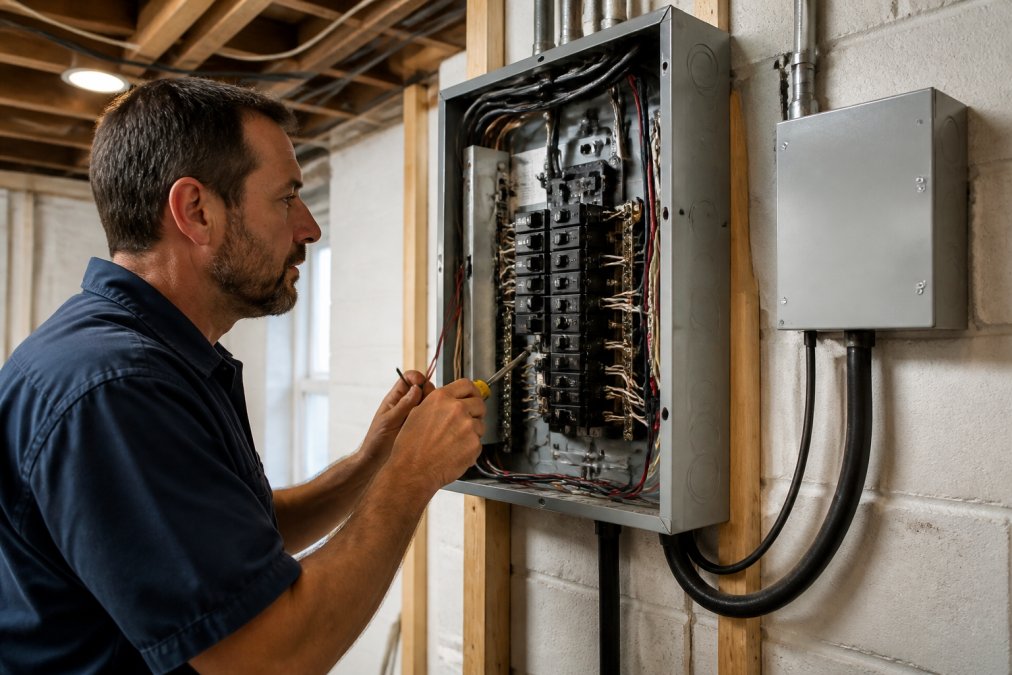
If you've reduced the load and the breaker still trips, the problem is in the wiring itself. A short circuit or ground fault requires a professional to trace the circuit and locate the damaged section. Continuing to reset a breaker that trips under normal loads risks overheating the wiring inside the walls, which can cause an electrical fire.
Step-by-Step Troubleshooting for a Warm Outlet
If you're comfortable working near electrical components, follow this process. If at any point you feel uncertain, stop and call a professional. Safety comes first.
Step 1: Unplug everything. Remove all devices from the warm outlet and let it cool for 30 minutes.
Step 2: Feel the outlet again. If it stays warm with nothing plugged in, the problem is internal. Call an electrician.
Step 3: Check the load. If it cooled down, plug devices back in one at a time. Note which device or combination causes the warmth to return.
Step 4: Test other outlets. Check whether outlets on the same circuit are also warm. This helps determine if the issue is isolated or circuit-wide.
Step 5: Inspect the faceplate. Look for discoloration, scorch marks, or a loose faceplate. Remove the faceplate screw and check for visible damage to the outlet surface.
Step 6: Turn off the circuit. At the breaker panel, switch off the circuit feeding the outlet. Confirm power is off by plugging in a lamp or using a voltage tester.
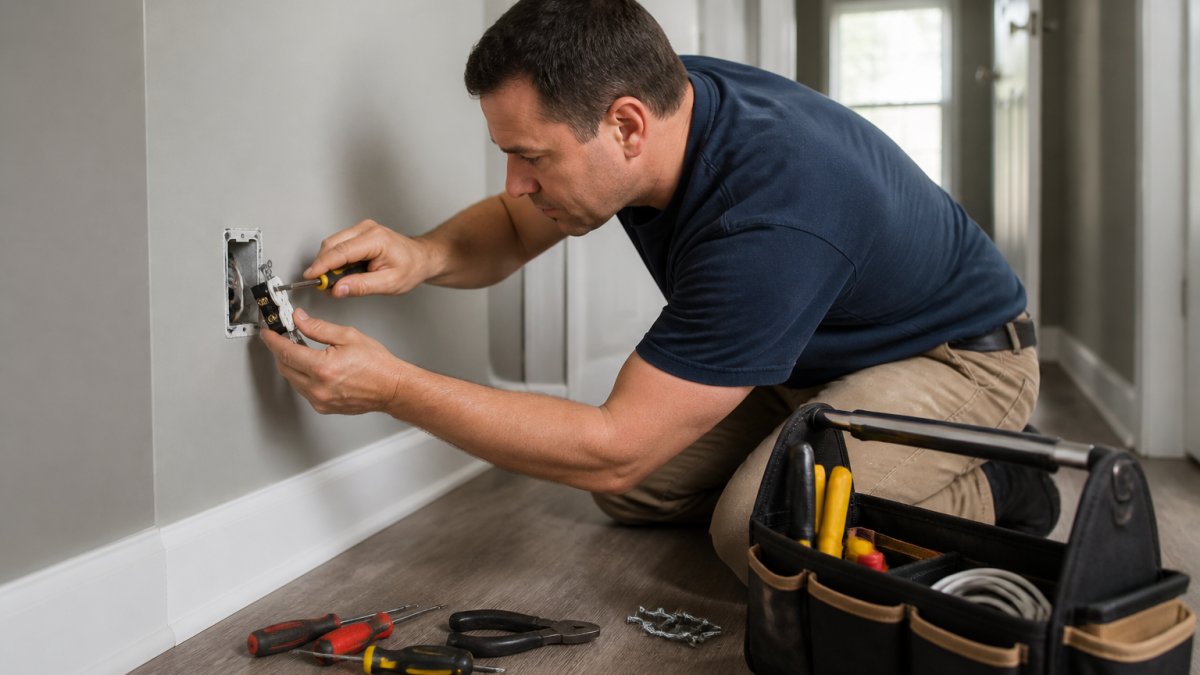
Step 7: Check the connections. Remove the outlet from the wall box and inspect the wire connections. Look for loose terminal screws, corroded wires, or signs of heat damage like melted insulation.
Step 8: Tighten or replace. If a terminal screw is loose, tighten it. If the outlet shows any damage, replace it. When replacing, terminate wires under the terminal screws rather than using the backstab holes.
Key Takeaway The DIY threshold is clear: if the outlet cools down when you remove the load and the connections look clean, you can manage the issue by redistributing devices. If the outlet stays warm with nothing plugged in, or you see any scorching, melting, or corrosion, stop and call a licensed electrician.
When to Call a Licensed Electrician
Some situations demand professional expertise. A warm outlet is not always a simple fix, and attempting complex repairs without proper training risks injury and fire. Call a licensed electrician if you encounter any of the following:
The outlet remains warm or hot with nothing plugged in
You see scorch marks, melting, or signs of arcing
The circuit breaker trips repeatedly even after reducing the load
Multiple outlets on the same circuit are warm
The wiring in your home is aluminum or more than 40 years old
You're unsure about any step of the troubleshooting process
At Star Bright Electric, we've served homeowners with troubleshooting and repair services backed by our satisfaction guarantee and lifetime labor warranty. Our licensed electricians are insured for your protection, and we approach every job by listening to your concerns before recommending a plan. Whether it's a simple outlet replacement or a deeper circuit issue, we stand behind our work.
Warm outlets are your home's way of telling you something is wrong. Listening to that signal, and acting on it early, is the difference between a minor repair and a major hazard. If you've followed the troubleshooting steps here and the problem persists, contact us for a free estimate. We'll diagnose the issue, explain your options, and get your electrical system running safely.
Frequently Asked Questions
Should I be concerned if my outlet is hot?
Yes. An outlet that is hot to the touch is a warning sign. While a slight warmth from a high-wattage appliance like a space heater can be normal, a hot outlet indicates excessive resistance, a loose connection, or an overloaded circuit. These conditions can lead to arcing, insulation damage, and electrical fires. Unplug devices and do not use the outlet until a licensed electrician has inspected it.
Can a bad outlet start a fire?
Yes, a bad outlet can start a fire. Loose connections, backstabbed wiring, or damaged internal components create resistance. This resistance generates heat, which can melt wire insulation and outlet housings. Over time, this can lead to arcing and sparking, igniting nearby combustible materials like wood framing or drywall. A qualified electrician should address any signs of faulty electrical wiring immediately.
What should I do if an outlet feels warm to the touch?
First, unplug everything from that outlet and stop using it. Feel the faceplate and the wall around it. If it's only slightly warm after heavy use, let it cool and try a different device. If it remains warm with nothing plugged in, or feels hot, turn off the circuit at the breaker. This is a clear sign of faulty electrical wiring, so contact a licensed electrician to diagnose and fix the issue safely.
Is it normal for a plug to get warm?
A slight warmth is sometimes normal when a device draws a high electrical load, such as a space heater or air conditioner. However, a plug or outlet that is hot to the touch is not normal. This indicates a poor connection between the plug and the receptacle, which creates resistance and heat. If you notice this, unplug the device and have the outlet checked by a professional.
Contact Us
Businesses often operate with different equipment, working hours, and building arrangements, so fire safety planning should reflect those differences. Reviewing the condition of existing equipment can help identify areas that need professional attention. Information about fire suppression system services can help facility teams plan suitable next steps for their premises.