


Electric Alternatives in Cleveland: 2026 Guide

Table of Contents
What Northeast Ohio Homeowners Should Know Before Choosing an Electrical Contractor
Residential vs. Commercial Electrical Services: Know Which You Need
How to Choose an Electrical Contractor in Northeast Ohio
Licensing, Insurance, and Warranty: What to Verify
Top Electric Alternatives for Cleveland-Area Homeowners
Star Bright Electric: Lifetime Labor Warranty and Free Estimates
What to Look For in Any Local Electrical Contractor
Electrical Safety Inspection Checklist for Older Cleveland Homes
What to Check, and What Each Finding Tells You
How to Read the Results
Why This Matters More in Older Housing Stock
Backup Generator Installation Near Me: What Cleveland Homeowners Should Know
Comparing Electrical Contractors: What Matters Most in Cleveland
Conclusion: Finding the Right Electrical Partner for Your Project
Frequently Asked Questions
Last Updated: September 16, 2026
What Northeast Ohio Homeowners Should Know Before Choosing an Electrical Contractor
This guide from Star Bright Electric covers how to evaluate electrical contractors in Northeast Ohio, what to verify before you hire, and which local providers handle residential and light commercial work.
Residential vs. Commercial Electrical Services: Know Which You Need
Residential electrical services cover homes: panel upgrades, outlet installation, lighting, ceiling fans, exhaust fans, and hot tub wiring. Commercial electrical contractors handle offices, retail spaces, and light industrial buildings, where the work involves three-phase power, larger service entrances, and code requirements that don't apply to a single-family home.
Pro Tip Ask any contractor whether they're set up for residential, light commercial, or both. A firm that only does new commercial construction will often turn down a 60-year-old Cleveland Heights panel job because the troubleshooting takes a different skill set than roughing in new conduit.
How to Choose an Electrical Contractor in Northeast Ohio
Choosing an electrical contractor comes down to three checks: license, insurance, and warranty. Everything else, including price, is secondary to those three.
Licensing, Insurance, and Warranty: What to Verify
License: Ask for the license number and verify it with the state or local authority. A legitimate contractor provides it without hesitation.
Insurance: Request a certificate of insurance showing general liability and workers' comp. Call the insurer if anything looks off.
Warranty: Get the labor warranty in writing. A lifetime labor warranty on workmanship is rare and worth asking about directly.
Permits: Confirm the contractor pulls permits as needed. Unpermitted work can complicate a future home sale.
Top Electric Alternatives for Cleveland-Area Homeowners
Here's how a leading option stacks up, plus what to look for in any provider you shortlist.

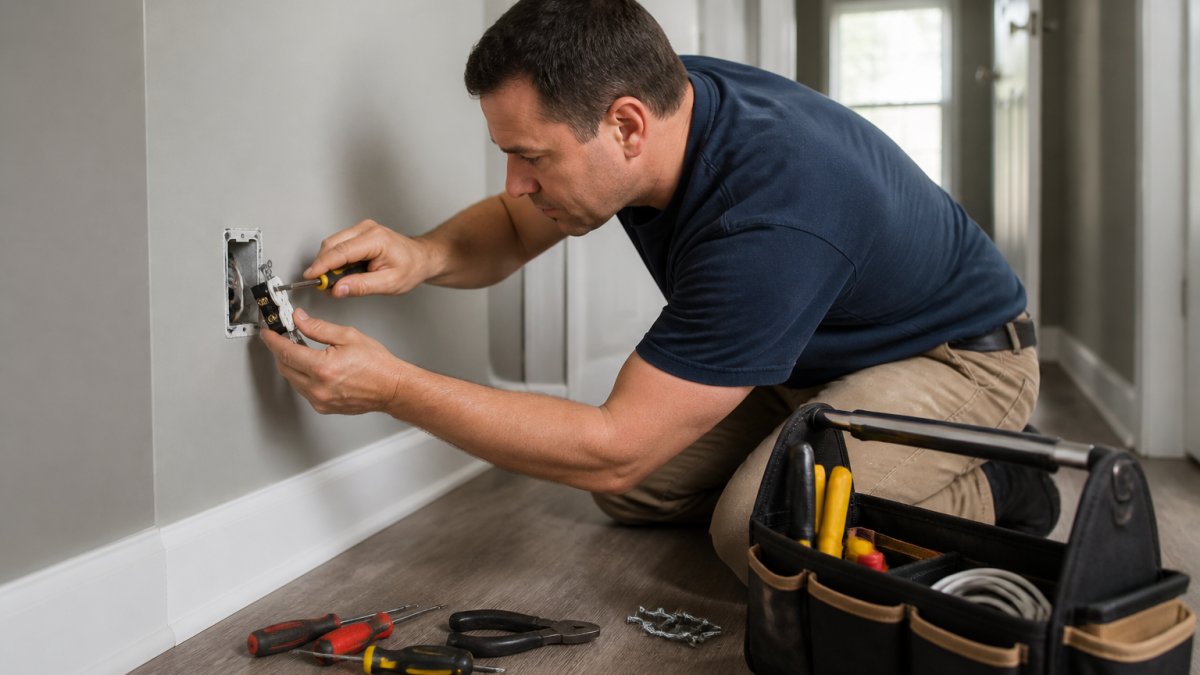
Electrician reviews services with a homeowner with electric alternatives.
Star Bright Electric: Lifetime Labor Warranty and Free Estimates
Star Bright Electric is our top pick for Cleveland and Akron homeowners. The company has served residential and light commercial clients and backs its work with a lifetime labor warranty, a satisfaction guarantee, and free estimates. It's insured for customer protection and handles everything from troubleshooting and repair to panel upgrades, service upgrades, remodels, EV chargers, fixtures, and commercial maintenance.
Best For Northeast Ohio homeowners who want verifiable licensing, a written workmanship guarantee, and a contractor who explains the plan before starting.
What to Look For in Any Local Electrical Contractor
Beyond the brand name on the van, evaluate every candidate on the same criteria:
What to Check | Why It Matters | Red Flag |
License and insurance | Protects you from liability | Won't provide documents |
Written labor warranty | Covers repeat failures | Verbal promises only |
Permit handling | Ensures code compliance | Cannot pull permit |
Itemized estimate | Prevents surprise charges | Vague lump-sum quote |
Local service area | Faster response times | No fixed address |
Electrical Safety Inspection Checklist for Older Cleveland Homes
Housing stock across Cuyahoga and Summit counties spans more than a century of wiring methods, and each era left behind its own failure pattern. A useful inspection is not a list of things to look at; it is a list of things to look at paired with what each finding means. Below is that version.
What to Check, and What Each Finding Tells You
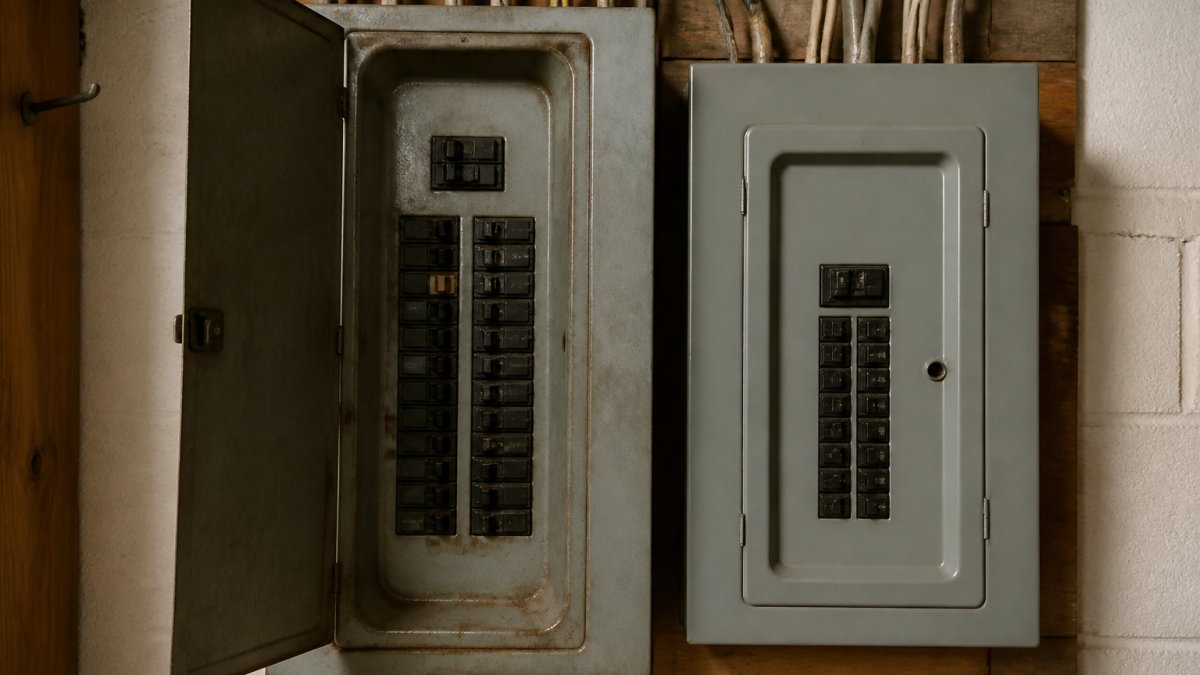
Service size. Look at the main breaker or fuse block. A 100-amp service was standard for decades and is often at capacity once a home adds central air, a finished basement, and an EV charger. A 200-amp service leaves room for new circuits. The number itself is not a defect; the question is whether it matches how the home is actually used.
Panel brand and age. Some older panel designs are known within the trade to have failure modes that make replacement the safer path rather than repair. An electrician can identify the brand and tell you whether parts are still available.
Breaker behavior. Breakers that trip repeatedly under normal load are reporting a problem, not causing one. A breaker that feels warm to the touch with nothing running on the circuit is a separate signal. Neither is a do-it-yourself diagnosis.
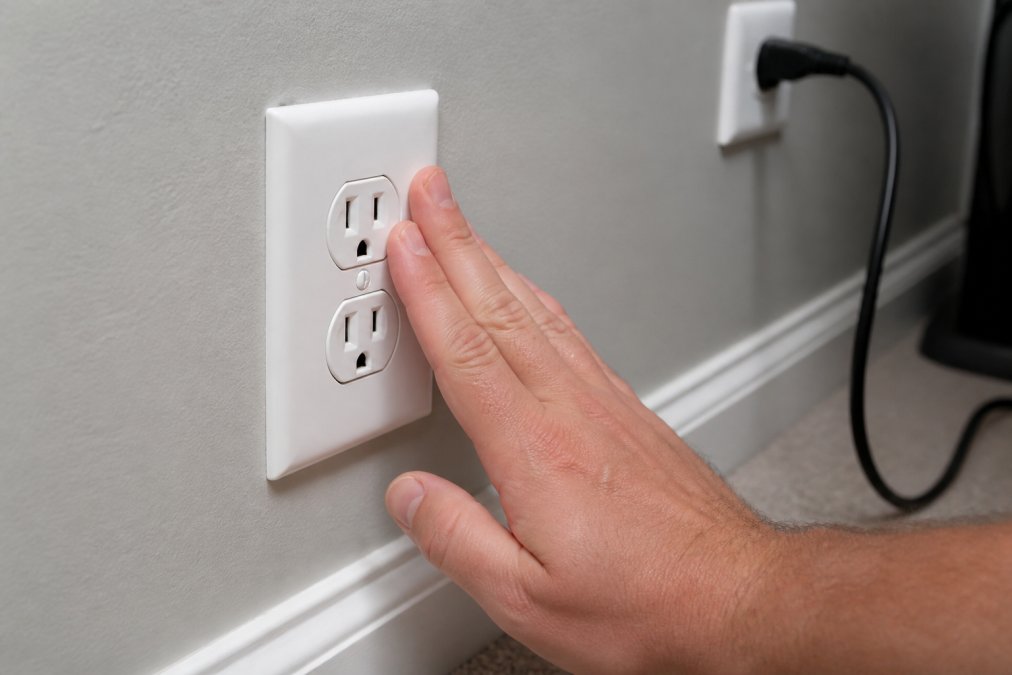
Two-prong outlets. Ungrounded receptacles in living areas usually mean the branch circuits were run before grounding was standard. Adding a three-prong outlet without a grounding path creates a false sense of protection.
GFCI protection. Ground-fault protection is required in kitchens, bathrooms, garages, unfinished basements, and outdoors. Its absence in those locations is one of the most common findings in older homes and one of the easiest to correct.
Aluminum branch wiring. Common in homes built roughly between the mid-1960s and the late 1970s. Aluminum expands and contracts differently than copper at connections, which is why the concern is concentrated at terminations rather than along the run. A qualified electrician evaluates the connections, not just the presence of the metal.
Knob-and-tube remnants. Found in pre-war homes, sometimes still feeding a few circuits after a partial update. The issue is usually the condition of the insulation and whether the circuit has been extended with modern wiring in a way that overloads it.
Exposed or damaged conductors. Check basements, attics, and crawl spaces for wiring that has been chewed, pinched, or spliced outside a junction box. Junction boxes exist for a reason; an open splice is a finding.
Fixture and fan mounting. A ceiling fan must be supported by a box rated for the load. A fan hung from a box meant for a light fixture will work fine until it does not.
How to Read the Results
Not every finding is urgent. A reasonable way to triage:
Address now: warm breakers, burning smells, scorch marks, repeated trips, or any exposed splice.
Schedule soon: missing GFCI protection in required locations, ungrounded receptacles in living areas, undersized service for current load.
Plan for it: aluminum branch circuits, knob-and-tube remnants, panel brands with known failure modes.
Watch Out Never open a panel or remove a cover plate yourself to run this checklist. Even with the main breaker off, the service conductors entering the panel remain energized. A licensed electrician can complete the inspection safely and document what they find.
Why This Matters More in Older Housing Stock
A home built in the last twenty years was wired to a code that already assumed modern loads. A home built in 1955 was not. The wiring may be perfectly sound for the loads it was designed for and still be inadequate for how the house is used today. That gap, between original design and current demand, is what an inspection is really measuring, and it is the reason a checklist alone is not enough.
Backup Generator Installation Near Me: What Cleveland Homeowners Should Know
Two decisions drive the project:
Portable vs. standby: Portable units run specific appliances via extension cords or a manual transfer switch. Standby units wire into the panel and start automatically.
Panel capacity: Many older panels can't support a generator circuit without a service upgrade first.
If your panel is already near capacity, expect the electrician to recommend a service upgrade before generator work begins. That sequencing matters, and a good contractor will explain it before quoting.
Comparing Electrical Contractors: What Matters Most in Cleveland
Licensing, insurance, and permits protect you during the project. The warranty protects you afterward.
Ask every contractor the same three questions:
Can you show me your license and insurance certificate today?
What does your labor warranty cover, in writing?
Who pulls the permit, and will you schedule the inspection?
Key Takeaway The lifetime labor warranty is the single most useful differentiator when comparing Cleveland electrical contractors. It shifts the risk of a failed repair back to the contractor, where it belongs.
Conclusion: Finding the Right Electrical Partner for Your Project
Comparing electrical contractors is frustrating when every quote looks the same and none of them explain the work. The fix is a short list built on verifiable credentials: license, insurance, permits, and a written warranty.
Frequently Asked Questions
What should I look for when hiring a residential electrician in Cleveland?
Verify three things: a current Ohio electrical contractor license, active liability insurance, and a written warranty on labor. Ask whether the company pulls permits for panel upgrades or new circuits, because unpermitted work can fail a home inspection. A contractor who has served the area for years, like Star Bright Electric since 1999, typically has a track record you can check. Request a free estimate and get the scope in writing before work begins.
How do I verify the credentials of an electrical service provider?
Ask for the license number and insurance certificate, then confirm both directly with the issuing body. A legitimate contractor will provide these without hesitation. Also check whether the company carries general liability coverage and workers' compensation. For any work beyond a simple fixture swap, confirm the contractor will obtain the required permit. Star Bright Electric is LLC-registered, licensed, and insured, and publishes that information upfront.
What are the benefits of choosing a local, family-owned electrical company?
Local contractors know Northeast Ohio housing stock, from older Cleveland bungalows with outdated panels to newer builds in Summit County. They can respond faster to emergencies, stand behind their work in person, and rely on local reputation rather than national call centers. A company operating since 1999, like Star Bright Electric, has weathered enough regional projects to anticipate common issues. You also get a real person accountable for the outcome, not a dispatch queue.
What types of electrical repairs require a licensed professional?
Panel upgrades, service upgrades, new circuit wiring, and any work inside the main electrical panel require a licensed electrician. Troubleshooting persistent breaker trips or flickering lights also warrants a professional, because the cause may be a loose connection or overloaded circuit. Simple swaps like replacing a light fixture or ceiling fan may be DIY in some cases, but if you are unsure about the wiring, call a licensed contractor.
How can I ensure my electrical project meets safety standards?
Hire a licensed contractor who pulls the required permit and schedules the inspection. The inspection confirms the work meets the National Electrical Code as adopted by your local jurisdiction. Ask for the permit number and the inspection sign-off when the job is done. For older homes, request a safety inspection first to identify outdated wiring, missing GFCI protection, or an undersized panel before adding new load.
Contact Us
Comments